
Blog
Treatments for Stress Urinary Incontinence

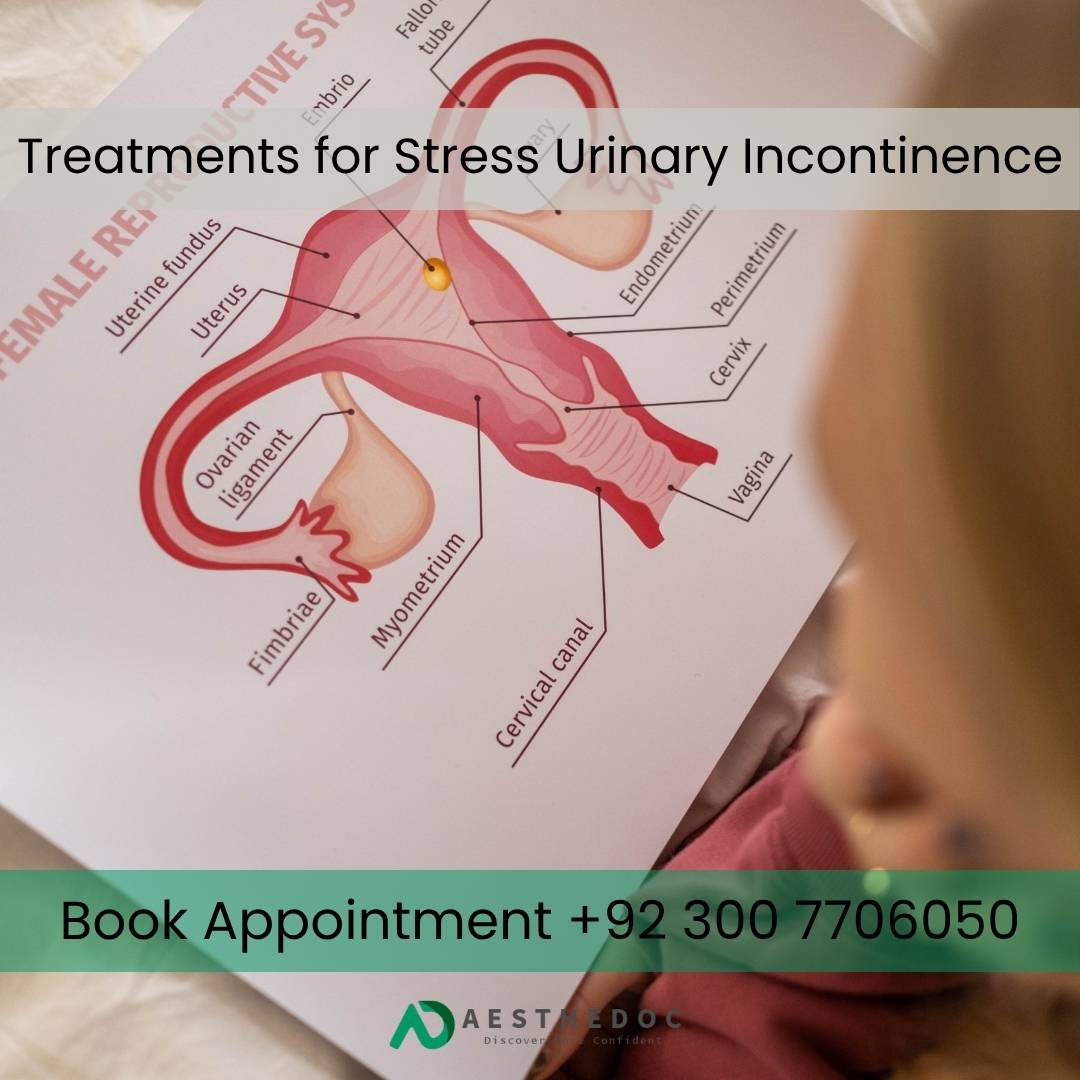
Urinary incontinence—the involuntary leakage of urine—is one of the most common and under-discussed issues women face after childbirth, aging, or hormonal changes. Among its various forms, Stress Urinary Incontinence (SUI) is the most prevalent. It occurs when small amounts of urine leak out during actions that put pressure on the bladder, such as laughing, sneezing, exercising, or lifting heavy objects.
Though it can feel embarrassing or limiting, stress urinary incontinence is highly treatable with both non-surgical and surgical options. With advancements in women’s health and aesthetic gynecology, women now have access to effective, safe, and minimally invasive treatments that restore bladder control and confidence.
This guide explains the causes, symptoms, and best available treatments for stress urinary incontinence—from lifestyle solutions to the latest medical and surgical innovations.
What Is Stress Urinary Incontinence (SUI)?
Stress urinary incontinence is the unintentional leakage of urine that happens when the muscles supporting the bladder and urethra become weak. These muscles usually keep the urethra closed, preventing leaks. When they lose strength or elasticity, simple physical stress like coughing or laughing can cause leakage.
Common Causes
- Childbirth trauma – Vaginal delivery can stretch or damage pelvic muscles.
- Aging and menopause – Reduced estrogen weakens vaginal and urethral tissues.
- Pelvic surgery – Procedures like hysterectomy can affect muscle control.
- Obesity – Extra weight increases pressure on the bladder.
- Chronic coughing or constipation – Continuous pressure weakens pelvic floor support.
Symptoms of Stress Urinary Incontinence
- Urine leakage when coughing, laughing, or sneezing
- Leakage during exercise or lifting heavy items
- Reduced bladder control when standing up suddenly
- Feeling of pelvic weakness
- Avoidance of social or physical activities due to fear of leakage
SUI doesn’t affect life expectancy, but it can deeply impact quality of life, confidence, and intimacy. Recognizing early signs allows timely management before symptoms worsen.
Diagnosis and Evaluation
Before choosing treatment, a proper diagnosis is essential. A gynecologist or urogynecologist typically performs:
- Pelvic examination – To assess muscle tone and tissue health
- Urine analysis – To rule out infection
- Bladder stress test – Observes leakage during coughing or movement
- Urodynamic study – Measures bladder pressure and control
- Ultrasound or cystoscopy – For deeper investigation when needed
The doctor then recommends a customized plan depending on severity, lifestyle, and overall health.
Non-Surgical Treatments for Stress Urinary Incontinence
Many women experience relief from stress urinary incontinence through non-surgical methods, especially in mild to moderate cases.
1. Pelvic Floor Exercises (Kegel Exercises)
Kegel exercises strengthen the pelvic floor muscles that support the bladder, uterus, and bowels.
- Contract the pelvic muscles (as if stopping urination midstream).
- Hold for 5 seconds, relax for 5 seconds.
- Repeat 10–15 times, three times a day.
Consistent practice for 8–12 weeks can significantly improve bladder control and reduce leakage episodes.
2. Lifestyle Modifications
Simple changes can help reduce symptoms and improve quality of life:
- Maintain a healthy weight to reduce bladder pressure.
- Avoid caffeine and alcohol (they irritate the bladder).
- Stop smoking to prevent chronic coughing.
- Manage constipation through fiber-rich foods.
3. Bladder Training
Bladder training teaches the body to hold urine longer by gradually increasing the time between bathroom visits. This improves bladder endurance and control.
4. Vaginal Devices (Pessary or Urethral Inserts)
These are small, flexible devices placed inside the vagina to support the bladder and urethra. They’re a non-invasive option for women who prefer to avoid surgery or who are awaiting a more permanent solution.
5. Laser Vaginal Tightening (Non-Surgical)
Laser therapy is a breakthrough in non-invasive SUI treatment. It strengthens vaginal walls and enhances collagen production, improving support for the urethra.
- Painless and non-surgical
- Improves elasticity and control
- Takes about 20–30 minutes per session
Popular technologies include Er:YAG and CO₂ laser systems, offering quick recovery and long-term results with no downtime.
6. Radiofrequency (RF) Therapy
RF vaginal rejuvenation delivers controlled heat to the vaginal tissues, stimulating collagen and elastin regeneration. It enhances muscle tone, improves lubrication, and supports urethral closure—helping control leaks.
Sessions required: 3–4
Benefits: Non-invasive, no anesthesia, no downtime.
7. PRP (Platelet-Rich Plasma) Vaginal Rejuvenation
Also known as the O-Shot, PRP therapy uses the patient’s own plasma rich in growth factors to rejuvenate vaginal tissue and strengthen pelvic support. It’s safe, natural, and promotes healing on a cellular level.
Results: Gradual improvement in bladder control and sensitivity over 2–3 months.
Medical and Surgical Treatments for Stress Urinary Incontinence
When non-surgical methods aren’t sufficient, medical or minimally invasive procedures can offer lasting solutions.
1. Bulking Agent Injections
Injectable bulking agents (such as collagen or synthetic materials) are placed around the urethra to help it close more effectively.
- Outpatient procedure, takes 15–30 minutes.
- Minimal downtime, suitable for mild-to-moderate SUI.
- Effects may last 1–2 years and can be repeated.
2. Mid-Urethral Sling Surgery
This is the gold standard surgical treatment for stress urinary incontinence. A small mesh sling is placed under the urethra to provide support and prevent leakage during stress.
- Quick, minimally invasive procedure.
- High long-term success rate (over 85%).
- Recovery within 2–3 weeks.
3. Autologous Fascial Sling
Uses a strip of the patient’s own tissue (usually from the abdomen or thigh) instead of synthetic mesh. Ideal for women who prefer a fully natural approach or have had mesh complications.
4. Burch Colposuspension
A more traditional surgical option where the bladder neck is lifted and stitched to nearby ligaments for added support. Usually performed laparoscopically, offering durable results for severe SUI.
5. Vaginal Muscle Repair (Vaginoplasty or Perineoplasty)
For women who developed SUI after childbirth, vaginoplasty combined with perineoplasty helps tighten both the internal vaginal canal and external support structures, restoring muscle tone and bladder control.
Often combined with laser or PRP rejuvenation for optimal outcomes.
Recovery and Post-Treatment Care
Regardless of the chosen treatment, recovery is generally smooth with proper care:
- Avoid heavy lifting for 2–3 weeks.
- Maintain pelvic hygiene.
- Perform gentle Kegel exercises after healing.
- Attend follow-up visits as scheduled.
- Avoid intercourse until cleared by the doctor.
Emotional and Quality-of-Life Benefits
Treating stress urinary incontinence not only improves physical control but also transforms emotional well-being. Women report:
- Improved self-confidence
- Freedom to exercise and travel
- Better intimacy and comfort
- Reduced anxiety and embarrassment
Modern treatments have made SUI a reversible condition, empowering women to live active, confident lives again.
Cost of Stress Urinary Incontinence Treatments (Global Range)
| Treatment Type | Approx. Cost (USD) |
|---|---|
| Laser Vaginal Tightening | $300 – $800 per session |
| PRP Vaginal Therapy | $400 – $900 |
| Sling Surgery | $2,500 – $5,000 |
| Bulking Agent Injections | $800 – $1,500 |
| Pakistan (Islamabad Range) | PKR 120,000 – PKR 350,000 |
Costs depend on the clinic, surgeon’s experience, and combination of treatments used.
FAQs About Stress Urinary Incontinence Treatments
Q1. Can stress incontinence go away naturally?
Mild cases may improve with Kegels, weight control, and laser therapy, but moderate-to-severe cases often require medical intervention.
Q2. Is laser or RF therapy safe?
Yes, both are non-invasive and FDA-approved when performed by trained specialists.
Q3. Can pregnancy or childbirth after treatment reverse results?
Yes, childbirth can re-stretch muscles. Most doctors recommend completing childbirth before surgical correction.
Q4. Are results permanent?
Surgical procedures provide long-term results. Non-surgical treatments may require maintenance sessions.
Q5. How soon can I return to normal life?
Non-surgical treatments allow immediate return to activities, while surgical recovery takes 2–4 weeks.
Where to Get the Best Stress Urinary Incontinence Treatment in Islamabad
For women seeking advanced and confidential treatments for stress urinary incontinence, Aesthedoc Clinic in F-7 Islamabad is one of the leading centers specializing in female aesthetic and functional gynecology.
Aesthedoc Clinic – F-7 Islamabad
Dr. Zara, a highly skilled cosmetic and aesthetic surgeon with over 15 years of experience, offers both non-surgical and surgical treatments for urinary incontinence, including:
- Laser vaginal tightening
- PRP (O-Shot) rejuvenation
- Pelvic muscle repair (vaginoplasty & perineoplasty)
- Personalized care and counseling
Location: F-7 Islamabad
Specialty: Cosmetic Gynecology, Vaginal Rejuvenation, Urinary Incontinence Treatment
Consultation: Private, compassionate, and professional environment
Dr. Zara and her team help women restore control, confidence, and comfort with cutting-edge techniques in aesthetic and reconstructive gynecology.
Hymen repair surgery price in Pakistan is one of the most searched topics among women who are exploring cosmetic gynecology procedures. Many patients want to understand how much hymenoplasty costs, what factors affect the price, and which cities offer the best treatment options.
Hymen repair surgery, also known as hymenoplasty or virginity restoration surgery, is a cosmetic gynecology procedure that reconstructs the hymen using delicate surgical techniques. The procedure is performed confidentially by experienced cosmetic gynecology surgeons and usually takes less than one hour.
Women across Pakistan search online using different terms such as:
- Hymen repair surgery price in Pakistan
- Hymenoplasty cost in Pakistan
- Virginity restoration surgery price Pakistan
- Hymen reconstruction surgery cost Pakistan
- Hymenoplasty price in Lahore
- Hymen repair surgery cost Karachi
- Hymenoplasty price Islamabad
This complete guide explains hymen repair surgery price in Pakistan, including cost variations across cities, surgical techniques, recovery process, and how to choose the best cosmetic gynecology clinic.
What Is Hymen Repair Surgery?
Hymen repair surgery is a cosmetic gynecology procedure that reconstructs the hymen, a thin membrane located at the vaginal opening.
The hymen can tear due to various reasons including:
- Physical activities
- Sports or cycling
- Gym workouts
- Medical examinations
- Tampon use
- Accidental injury
- Sexual intercourse
Hymenoplasty surgery restores this membrane using fine surgical sutures. When performed by an experienced surgeon, the reconstructed hymen heals naturally.
Why Women Choose Hymen Repair Surgery in Pakistan
Women choose hymen reconstruction surgery for several personal and cultural reasons.
Cultural Reasons
In many societies, virginity before marriage is associated with traditional expectations. Hymen repair surgery helps restore the hymen before marriage ceremonies.
Emotional Confidence
Some women undergo the procedure to regain emotional peace and self-confidence.
Personal Reasons
Women may choose hymenoplasty for private or relationship-related reasons.
Trauma Recovery
For some patients, hymen reconstruction may be part of emotional healing.
Modern cosmetic gynecology clinics in Pakistan provide confidential consultations and discreet treatments.
Hymen Repair Surgery Price in Pakistan
The cost of hymen repair surgery in Pakistan varies depending on several factors such as:
- Surgeon experience
- City location
- Clinic facilities
- Surgical technique
- Post-operative care
Average Hymenoplasty Price in Pakistan
Typically, the price ranges between:
PKR 60,000 to PKR 180,000
The final cost is determined during consultation with the surgeon.

Hymen Repair Surgery Price in Pakistan (City Wise)
Below is an estimated price comparison table for major cities in Pakistan.
| City | Estimated Price Range (PKR) |
|---|---|
| Lahore | 70,000 – 150,000 |
| Islamabad | 80,000 – 170,000 |
| Rawalpindi | 70,000 – 150,000 |
| Karachi | 80,000 – 180,000 |
| Multan | 60,000 – 130,000 |
| Faisalabad | 60,000 – 120,000 |
| Gujranwala | 60,000 – 120,000 |
| Sialkot | 65,000 – 130,000 |
| Peshawar | 70,000 – 140,000 |
| Quetta | 60,000 – 120,000 |
| Hyderabad | 65,000 – 130,000 |
| Bahawalpur | 60,000 – 120,000 |
| Sargodha | 60,000 – 110,000 |
| Abbottabad | 70,000 – 140,000 |
| Sukkur | 60,000 – 120,000 |
Prices vary depending on clinic standards and surgeon expertise.
Factors Affecting Hymen Repair Surgery Cost in Pakistan
Several factors influence the final price of hymenoplasty surgery.
Surgeon Experience
Highly qualified surgeons with advanced training in cosmetic gynecology may charge higher fees.
Clinic Facilities
Clinics with modern surgical equipment and sterile operating rooms often have higher costs.
Surgical Technique
Simple hymen repair procedures are usually less expensive than full reconstruction techniques.
City Location
Prices in large cities like Lahore, Karachi, and Islamabad are typically higher due to advanced facilities.
Post-Surgery Care
Follow-up visits, medications, and aftercare can affect the total cost.
Types of Hymen Repair Surgery
Different surgical techniques are used depending on the patient’s condition.
Simple Hymen Repair
This is the most common method.
In this procedure:
- Remaining hymen tissue is stitched together
- Dissolvable sutures are used
- Surgery takes around 30–45 minutes
Healing occurs naturally.
Hymen Reconstruction Surgery
If the original hymen tissue is not available, surgeons may reconstruct the membrane using vaginal lining tissue.
This method requires advanced surgical skill.
Complete Hymen Restoration
In rare cases, surgeons create a new hymen structure using vaginal tissue.
This technique is performed by experienced cosmetic gynecology specialists.
Who Is a Candidate for Hymen Repair Surgery?
Women who may consider hymenoplasty include:
- Women whose hymen has been torn
- Women preparing for marriage
- Women seeking emotional confidence
- Women interested in cosmetic gynecology procedures
Good candidates should:
- Be in good health
- Have realistic expectations
- Be comfortable discussing the procedure with their surgeon
A consultation helps determine whether the treatment is suitable.
Consultation Before Hymen Repair Surgery
Before the procedure, patients attend a private consultation with a cosmetic gynecologist.
The consultation includes:
- Medical history review
- Physical examination
- Discussion of expectations
- Explanation of surgical technique
- Estimated cost of hymen repair surgery
Professional clinics ensure complete confidentiality.
How Hymen Repair Surgery Is Performed
Hymenoplasty is a minor outpatient procedure.
Step 1 – Local Anesthesia
Local anesthesia is administered to ensure patient comfort.
Step 2 – Reconstruction
The surgeon carefully stitches the hymen tissue or reconstructs the membrane.
Step 3 – Dissolvable Sutures
Special sutures dissolve naturally during healing.
Step 4 – Completion
The procedure usually takes 30 to 60 minutes.
Patients typically return home the same da
Recovery After Hymen Repair Surgery
Recovery is usually quick and comfortable.
First 24 Hours
Mild swelling or discomfort may occur.
First Week
Healing begins and symptoms gradually improve.
Two to Three Weeks
Stitches dissolve naturally.
Four to Six Weeks
Complete healing occurs.
Doctors may recommend avoiding:
- Heavy exercise
- Sexual intercourse
- Tampon use
during recovery.
Benefits of Hymen Repair Surgery
Women choose hymenoplasty for several benefits.
Natural Results
The reconstructed hymen looks natural.
Emotional Confidence
Many women feel more confident after the procedure.
Quick Procedure
The surgery takes less than one hour.
Minimal Downtime
Most patients return to normal routine within a few days.
Safe Cosmetic Gynecology Procedure
When performed by experienced surgeons, complications are rare.
Is Hymen Repair Surgery Safe?
Yes, hymenoplasty is considered safe when performed by a qualified cosmetic gynecology surgeon.
Safety depends on:
- Surgeon experience
- Proper surgical environment
- Post-operative care
Minor temporary side effects may include:
- Mild swelling
- Slight discomfort
- Temporary spotting
These symptoms usually resolve quickly.
Hymen Repair Surgery vs Vaginal Rejuvenation
Many patients confuse hymen repair surgery with vaginal rejuvenation.
Hymen Repair Surgery
- Restores the hymen membrane
- Cosmetic gynecology procedure
- Short recovery time
Vaginal Rejuvenation
- Tightens vaginal muscles
- Improves vaginal elasticity
- Often done after childbirth
A consultation helps determine the appropriate procedure.
Frequently Asked Questions
What is the price of hymen repair surgery in Pakistan?
The average price ranges from PKR 60,000 to PKR 180,000 depending on the city and clinic.
Is hymenoplasty legal in Pakistan?
Yes, hymen repair surgery is a legal cosmetic gynecology procedure performed in many clinics.
How long does hymen repair surgery take?
The surgery usually takes 30 to 60 minutes.
Is the procedure confidential?
Professional clinics maintain complete patient privacy and confidentiality.
How long does healing take?
Complete healing usually takes 4 to 6 weeks.
Best Clinic for Hymen Repair Surgery in Pakistan
If you are searching for safe and confidential hymen repair surgery in Pakistan, you can consult experienced cosmetic gynecology specialists.
Aesthedoc Clinic
Location: DHA Y Block, Lahore
Doctor Profile
Dr Naila Farukh
MBBS, FCPS
Cosmetic Gynecology Surgeon
10+ Years of Experience
Dr Naila Farukh specializes in advanced cosmetic gynecology procedures including:
- Hymen repair surgery
- Hymenoplasty
- Vaginal tightening
- Labiaplasty
- Vaginal rejuvenation
- Female intimate aesthetic treatments
Her expertise ensures safe procedures with natural results and complete patient confidentiality.
Book Consultation
If you are considering hymen repair surgery in Pakistan, the first step is a private consultation.
Aesthedoc Clinic Lahore
DHA Y Block, Lahore
Phone: +92 300 7706050
Email: info@aesthedoc.com
The clinic offers confidential consultation, modern surgical care, and personalized treatment plans.
Final Thoughts
Hymen repair surgery price in Pakistan varies depending on city, surgeon experience, and clinic facilities. However, the procedure remains affordable compared to many international cosmetic gynecology treatments.
With modern surgical techniques and experienced specialists, hymen reconstruction surgery has become a safe, discreet, and effective procedure for women seeking personal confidence and privacy.
If you are searching for hymen repair surgery price in Pakistan, hymenoplasty cost Pakistan, or virginity restoration surgery Pakistan, consulting an experienced cosmetic gynecology surgeon is essential.
For professional care and confidential treatment, you can consult Dr Naila Farukh at Aesthedoc Clinic Lahore.
Hymenoplasty in Lahore is becoming one of the most requested procedures in cosmetic gynecology. Many women choose this procedure for personal, cultural, psychological, or relationship reasons. With advancements in modern cosmetic gynecology, hymen reconstruction surgery is now a safe, confidential, and minimally invasive treatment performed by experienced surgeons.
Women searching for hymenoplasty in Lahore, hymen repair surgery Lahore, virginity restoration surgery Lahore, hymen reconstruction surgery cost Lahore, or best hymenoplasty surgeon in Lahore often want accurate information before making a decision.
This detailed guide explains everything you need to know about hymenoplasty in Lahore, including:
- What hymenoplasty is
- Who is a good candidate
- Surgical techniques used
- Recovery time
- Safety and confidentiality
- Cost of hymenoplasty in Lahore
- Choosing the best cosmetic gynecologist
- Frequently asked questions
If you are considering hymen repair surgery in Lahore, this comprehensive guide will help you understand the procedure and make an informed choice.
What Is Hymenoplasty?
Hymenoplasty, also known as hymen reconstruction surgery, virginity restoration surgery, or hymen repair surgery, is a cosmetic gynecological procedure that reconstructs the hymen.
The hymen is a thin membrane located at the entrance of the vagina. It can break due to many reasons such as:
- Physical activity
- Sports or exercise
- Tampon use
- Medical examination
- Accidental injury
- Sexual intercourse
Hymenoplasty surgery repairs or reconstructs this membrane using delicate surgical techniques to restore the hymen.
When performed by an experienced cosmetic gynecology surgeon in Lahore, the procedure looks natural and usually heals completely.
Why Women Choose Hymenoplasty in Lahore
Many women choose hymenoplasty surgery for different personal reasons. These decisions are deeply personal and should always be respected.
Common reasons include:
Cultural and Social Reasons
In some cultures, virginity is considered important before marriage. Hymenoplasty allows women to restore the hymen before wedding ceremonies.
Personal Confidence
Some women choose hymen repair surgery to regain personal confidence and emotional peace.
Relationship Reasons
Couples sometimes choose hymenoplasty to recreate the experience of virginity in their relationship.
Trauma Recovery
Women who have experienced sexual trauma may choose hymen reconstruction as part of their healing process.
Modern cosmetic gynecology respects patient privacy and ensures complete confidentiality.
Types of Hymenoplasty Procedures
There are several surgical techniques used in hymen repair surgery in Lahore depending on the condition of the hymen.
1. Simple Hymen Repair Surgery
This is the most common procedure.
During this technique:
- Remaining hymen tissue is stitched together
- Dissolvable stitches are used
- Surgery usually takes 30–45 minutes
Healing is quick, and the results appear natural.
2. Hymen Reconstruction Surgery
If no hymen tissue remains, the surgeon may reconstruct the hymen using vaginal tissue.
This method creates a new membrane that mimics the natural hymen.
3. Artificial Hymen Construction
In rare cases, a thin membrane is created using biological tissue.
However, experienced cosmetic gynecologists prefer natural reconstruction techniques.
Who Is a Good Candidate for Hymenoplasty?
You may be a good candidate for hymenoplasty surgery in Lahore if:
- Your hymen has been torn
- You want to restore virginity for personal reasons
- You are in good general health
- You have realistic expectations
- You want a confidential cosmetic gynecology procedure
Before surgery, a consultation with an experienced cosmetic gynecologist is necessary.
Consultation for Hymenoplasty in Lahore
Before undergoing hymen repair surgery, your surgeon will perform a confidential consultation.
The consultation usually includes:
- Medical history review
- Physical examination
- Discussion about expectations
- Explanation of surgical technique
- Recovery instructions
At professional clinics in Lahore, consultations are completely private.
How Hymenoplasty Surgery Is Performed
The hymenoplasty procedure is a minor surgical treatment performed in a sterile clinic environment.
Step 1 – Local Anesthesia
Local anesthesia is used so the patient does not feel pain.
Step 2 – Hymen Reconstruction
The surgeon reconstructs the hymen using delicate surgical sutures.
Step 3 – Dissolvable Stitches
Special dissolvable stitches are used so removal is not necessary.
Step 4 – Completion
The procedure usually takes 30 to 60 minutes.
Most patients can return home the same day.
Recovery After Hymenoplasty
Recovery after hymen repair surgery is generally quick and comfortable.
Typical recovery timeline:
First 24 Hours
- Mild discomfort
- Light swelling
First Week
- Healing begins
- Minimal restrictions
2–3 Weeks
- Tissue heals naturally
- Stitches dissolve
4–6 Weeks
- Complete healing
Your surgeon may recommend avoiding:
- Heavy exercise
- Sexual intercourse
- Tampon use
for several weeks.
Benefits of Hymenoplasty Surgery
Women choose hymenoplasty for many benefits, including:
Restored Hymen
The hymen is reconstructed to appear natural.
Increased Confidence
Many women report improved emotional well-being.
Quick Procedure
The surgery takes less than an hour.
Minimal Downtime
Patients usually return to normal routine quickly.
Safe Cosmetic Gynecology Treatment
When performed by an experienced surgeon, hymenoplasty is very safe.
Is Hymenoplasty Safe?
Yes, hymenoplasty is considered a safe procedure when performed by a qualified cosmetic gynecology surgeon in Lahore.
Safety factors include:
- Sterile surgical environment
- Experienced surgeon
- Proper post-operative care
Complications are rare but may include:
- Minor swelling
- Mild discomfort
- Temporary spotting
These symptoms usually resolve within a few days.
Hymenoplasty Cost in Lahore
One of the most common questions women ask is:
How much does hymenoplasty cost in Lahore?
The cost depends on several factors, including:
- Surgeon’s experience
- Clinic location
- Surgical technique
- Facility standards
- Post-operative care
Average hymenoplasty surgery cost in Lahore ranges between:
PKR 70,000 to PKR 150,000
A consultation is necessary to determine the exact price.
How to Choose the Best Hymenoplasty Surgeon in Lahore
Choosing the right cosmetic gynecologist is extremely important.
When selecting a surgeon, consider:
Medical Qualifications
Look for surgeons with certifications such as MBBS and FCPS.
Experience
An experienced cosmetic gynecology surgeon produces better results.
Confidentiality
Professional clinics maintain complete patient privacy.
Clinic Environment
The clinic should follow strict hygiene and surgical standards.
Patient Reviews
Positive patient feedback often indicates reliable services.
Hymenoplasty vs Vaginal Rejuvenation
Many patients confuse hymenoplasty with vaginal rejuvenation.
However, these are different procedures.
Hymenoplasty
- Reconstructs the hymen
- Cosmetic gynecology procedure
- Short surgical time
Vaginal Rejuvenation
- Tightens vaginal muscles
- Improves vaginal elasticity
- Often done after childbirth
A consultation will help determine the appropriate treatment.
Psychological Benefits of Hymenoplasty
Cosmetic gynecology procedures can also provide emotional benefits.
Many women report:
- Reduced anxiety
- Increased confidence
- Emotional relief
- Better relationship satisfaction
A supportive and confidential clinic environment is important for patient comfort.
Myths About Hymenoplasty
There are many misconceptions about hymen repair surgery.
Myth 1 – Hymen Always Breaks During First Intercourse
This is not always true. Many women naturally have flexible hymen tissue.
Myth 2 – Hymenoplasty Is Unsafe
When performed by qualified surgeons, the procedure is safe.
Myth 3 – Recovery Is Painful
Most patients experience only mild discomfort.
Frequently Asked Questions
Is hymenoplasty legal in Pakistan?
Yes, hymenoplasty is a legal cosmetic gynecology procedure performed in many medical clinics.
How long does hymenoplasty surgery take?
The surgery usually takes 30 to 60 minutes.
Is hymenoplasty painful?
The procedure is performed under anesthesia, so patients feel minimal discomfort.
Is hymenoplasty confidential?
Yes, professional cosmetic gynecology clinics maintain complete patient privacy.
How long does healing take?
Most patients heal completely within 4 to 6 weeks.
Can hymenoplasty fail?
Failure is extremely rare when the surgery is performed by an experienced surgeon.
Why Lahore Is a Leading City for Cosmetic Gynecology
Lahore has become one of Pakistan’s major centers for cosmetic gynecology treatments.
Reasons include:
- Highly qualified surgeons
- Modern clinics
- Affordable treatment options
- High patient confidentiality standards
Women from many cities visit Lahore for specialized procedures like hymenoplasty, vaginal tightening, labiaplasty, and cosmetic gynecology treatments.
Hymenoplasty in DHA Lahore
DHA Lahore is one of the most reputable medical areas in the city.
It offers:
- Modern clinics
- Experienced surgeons
- Advanced surgical equipment
- High standards of patient care
Many patients prefer clinics in DHA for privacy and professional treatment.
Best Clinic for Hymenoplasty in Lahore
If you are looking for safe, confidential, and professional hymenoplasty surgery in Lahore, you can consult the experienced cosmetic gynecology team at:
Aesthedoc Clinic Lahore
Location
DHA Y Block, Lahore
Doctor Profile
Dr Naila Farukh
MBBS, FCPS
Cosmetic Gynecology Surgeon
10+ Years of Experience
Dr Naila Farukh specializes in advanced cosmetic gynecology procedures including:
- Hymenoplasty
- Vaginal tightening
- Labiaplasty
- Vaginal rejuvenation
- Female intimate aesthetic procedures
Her experience and expertise help ensure safe surgical results with complete patient confidentiality.
Book Consultation for Hymenoplasty in Lahore
If you are considering hymenoplasty in Lahore, professional consultation is the first step.
Contact the clinic for a private appointment:
Aesthedoc Clinic Lahore
DHA Y Block, Lahore
📞 Phone: +92 300 7706050
📧 Email: info@aesthedoc.com
The clinic provides confidential consultation, modern surgical care, and personalized treatment plans to help patients feel comfortable and confident.
Final Thoughts
Hymenoplasty in Lahore is a safe and effective cosmetic gynecology procedure that helps women restore the hymen for personal, cultural, or emotional reasons.
With modern surgical techniques, minimal downtime, and experienced surgeons, hymen repair surgery is now more accessible and discreet than ever.
If you are searching for hymenoplasty surgery in Lahore, virginity restoration surgery Lahore, or hymen reconstruction surgery, choosing a qualified cosmetic gynecologist is essential.
For professional and confidential treatment, you can consult Dr Naila Farukh at Aesthedoc Clinic Lahore and receive expert guidance tailored to your needs.
As women age or experience life events such as childbirth, hormonal changes, or menopause, the vaginal mucosa—the inner lining of the vagina—can undergo significant changes. These changes may include thinning, dryness, reduced elasticity, and decreased lubrication, which can impact comfort, sexual function, and confidence.
Vaginal Mucosa Rejuvenation is a safe, non-surgical, and effective treatment that restores the health, elasticity, and function of vaginal tissues. Modern gynecology now allows women to achieve functional restoration and aesthetic improvement without invasive surgery.
If you are seeking Vaginal Mucosa Rejuvenation in Multan, this comprehensive guide covers causes, techniques, benefits, recovery, cost, and why Aesthedoc Clinic is a leading choice for expert care.
Understanding Vaginal Mucosa and Its Changes
The vaginal mucosa is the moist inner lining of the vagina, rich in collagen, elastin, and blood vessels, which allows it to maintain lubrication, elasticity, and protective function.
Common Changes in Vaginal Mucosa
- Thinning of tissues due to estrogen deficiency
- Reduced natural lubrication
- Loss of elasticity and tissue tone
- Increased friction or discomfort during intercourse
- Irritation or susceptibility to infections
Causes of Vaginal Mucosa Changes
- Menopause or Perimenopause – Hormonal decline reduces collagen and elasticity
- Childbirth and Vaginal Delivery – Stretching of vaginal tissue may lead to laxity
- Aging – Natural reduction in tissue hydration and blood flow
- Medical Conditions – Diabetes, autoimmune disorders, or chronic infections
- Lifestyle Factors – Smoking, poor hydration, or sedentary lifestyle
Women experiencing these changes may benefit from vaginal mucosa rejuvenation to restore functional and aesthetic integrity.
What Is Vaginal Mucosa Rejuvenation?
Vaginal mucosa rejuvenation is a minimally invasive procedure that improves the thickness, hydration, elasticity, and vascularity of vaginal tissues. The treatment aims to:
- Restore natural lubrication and elasticity
- Reduce friction and discomfort during intercourse
- Improve vaginal tissue health and sensitivity
- Enhance overall intimate confidence
This can be achieved through advanced non-surgical techniques, including laser therapy, radiofrequency (RF), and regenerative treatments.
Techniques Used for Vaginal Mucosa Rejuvenation
1. Laser Therapy
- Fractional CO₂ or Er:YAG lasers target vaginal tissues
- Promote collagen production and tissue remodeling
- Improve elasticity, lubrication, and mucosal thickness
- Non-invasive with minimal discomfort
2. Radiofrequency (RF) Therapy
- RF energy stimulates collagen and elastin fibers
- Tightens vaginal tissue and improves tone and resilience
- Safe for sensitive mucosal tissue
3. Platelet-Rich Plasma (PRP) Therapy
- PRP derived from the patient’s blood injected into vaginal tissue
- Promotes cell regeneration, healing, and vascularization
- Often combined with laser or RF therapy for enhanced results
4. Combination Therapy
- Integrating laser, RF, and PRP provides a holistic rejuvenation
- Results include functional restoration, improved sexual comfort, and tissue quality
Who Can Benefit from Vaginal Mucosa Rejuvenation?
Ideal Candidates
- Women experiencing vaginal dryness, discomfort, or friction
- Postpartum women with tissue laxity or mild prolapse
- Patients with reduced sexual satisfaction due to tissue changes
- Women seeking non-surgical vaginal restoration
Contraindications
- Active vaginal infections or untreated gynecological conditions
- Pregnancy or breastfeeding
- Severe pelvic organ prolapse requiring surgery
A medical consultation ensures a safe and tailored treatment plan.
Step-by-Step Procedure for Vaginal Mucosa Rejuvenation
1. Pre-Treatment Consultation
- Detailed gynecological and medical history
- Assessment of vaginal tissue, elasticity, and lubrication
- Discussion of patient goals and expectations
- Personalized treatment plan
2. Preparation
- Cleaning and disinfecting the vaginal area
- Application of topical anesthetic if needed
- Patient positioned comfortably for treatment
3. Treatment Application
Laser Therapy
- Fractional laser pulses delivered to mucosal tissue
- Stimulates collagen remodeling, neovascularization, and tissue hydration
RF Therapy
- RF probe applied to vaginal tissue
- Controlled heat stimulates collagen contraction and remodeling
PRP Injection (Optional)
- PRP injected into vaginal mucosa
- Enhances tissue regeneration and lubrication
4. Post-Treatment Care
- Mild redness, warmth, or sensitivity for 24–48 hours
- Avoid sexual activity for 48–72 hours
- Maintain gentle hygiene and follow post-procedure instructions
- Follow-up sessions may be scheduled for optimal results
Recovery After Vaginal Mucosa Rejuvenation
Recovery is minimal and outpatient-friendly. Most patients resume daily activities immediately.
Expected Recovery
- Mild tingling or warmth for 1–2 days
- Gradual improvement in tissue tone, elasticity, and lubrication
- Sexual activity typically resumes in 2–3 days
- Full rejuvenation effects visible over 4–6 weeks
Long-Term Benefits
- Improved vaginal mucosal thickness and hydration
- Enhanced elasticity and tissue resilience
- Better sexual comfort and satisfaction
- Boosted confidence and intimate wellness
Benefits of Vaginal Mucosa Rejuvenation
- Restores Vaginal Elasticity
- Collagen stimulation improves tissue tone and resilience
- Enhances Lubrication
- Reduces dryness and discomfort during intercourse
- Non-Surgical and Safe
- Minimally invasive, outpatient-friendly, and low-risk
- Boosts Intimate Confidence
- Improves body image and sexual satisfaction
- Rapid Recovery
- Most patients resume normal activities immediately
- Long-Term Results
- Tissue quality and elasticity improve gradually over weeks
- Maintenance sessions ensure lasting effects
Safety of Vaginal Mucosa Rejuvenation
When performed by a qualified cosmetic gynecologist, the procedure is highly safe:
- Uses FDA-approved lasers, RF devices, and PRP protocols
- Minimal risk of infection, bruising, or scarring
- Outpatient procedure with immediate recovery
- Customized treatment ensures safety for sensitive mucosal tissue
Choosing an experienced specialist is essential for achieving safe, effective, and natural results.
Cost of Vaginal Mucosa Rejuvenation in Multan
Costs vary depending on:
- Treatment modality (laser, RF, PRP, or combination)
- Number of sessions required
- Clinic reputation and technology
Estimated Price Range
PKR 50,000 – 150,000 per session
A consultation provides a personalized treatment plan and cost estimate.
Choosing the Right Clinic and Specialist
Key factors for safety and optimal results:
- Board-certified cosmetic gynecologist with aesthetic gynecology expertise
- Clinics using modern lasers, RF devices, and regenerative technologies
- Emphasis on privacy, hygiene, and patient-centered care
- Comprehensive pre- and post-treatment follow-up
Avoid non-medical spas or unlicensed providers, as vaginal tissue requires specialized expertise.
Vaginal Mucosa Rejuvenation in Multan – Why Aesthedoc Clinic?
Aesthedoc Clinic is a premier center for advanced aesthetic gynecology and vaginal rejuvenation in Multan.
Meet Your Specialist
Dr. Naila Frukh – Cosmetic Gynecologist Surgeon, Aesthedoc Clinic
Professional Credentials
- MBBS – Nishtar Hospital (2015)
- WMO – Population Welfare Department (2016)
- FCPS – Obstetrics & Gynecology (2024)
- Fellowship in Aesthetic Gynecology – American Board (2023)
Dr. Naila Frukh combines gynecological expertise with advanced aesthetic technology, providing treatments that are:
- Safe
- Effective
- Customized for individual anatomy and goals
- Performed in a confidential and comfortable environment
Book a Consultation at Aesthedoc Clinic
If you are seeking Vaginal Mucosa Rejuvenation in Multan, Aesthedoc Clinic provides:
- Non-surgical, safe, and effective vaginal tissue rejuvenation
- Advanced laser, RF, and PRP-based treatments
- Personalized assessment and tailored treatment plans
- Confidential care with professional follow-up
Schedule your consultation today with Dr. Naila Frukh to restore vaginal health, elasticity, and intimate confidence.

-

 Vaginal Tightening3 years ago
Vaginal Tightening HIFU Treatment
-

 Hymen Reconstruction Surgery3 years ago
Candidates For Hymen Repair, Symptoms, Causes, Treatment & Cost
-

 Hymenoplasty3 years ago
Hymenoplasty Surgical Repair in Pakistan
-

 Hymen Reconstruction Surgery3 years ago
Hymenoplasty Surgery in UAE, Dubai’s Expertise in Hymenoplasty
-

 Hymenoplasty3 years ago
Hymenoplasty in Rawalpindi, Hymen Repair Surgery
-

 Vaginal Rejuvenation3 years ago
Vaginal Rejuvenation Non Surgical, Rawalpindi & Lahore
-

 Labiaplasty3 years ago
Expert Labiaplasty Surgery in Turkey, Labiaplasty Cost in Turkey
-

 Hymen Reconstruction Surgery3 years ago
Hymenoplasty Surgeon in Rawalpindi